Hooked on Hard Lures: A Guide to the Angler’s Arsenal
For any angler, the thrill of the catch often comes down to the lure. While soft plastics and live bait have their place, hard lures offer a dynamic and often irresistible presentation that can entice even the wariest fish. But with so many types available, how do you choose the right one? This guide will break down the essential categories of hard lures, helping you understand their unique actions and when to deploy them for maximum success.
1. Minnows: The Natural Imitator
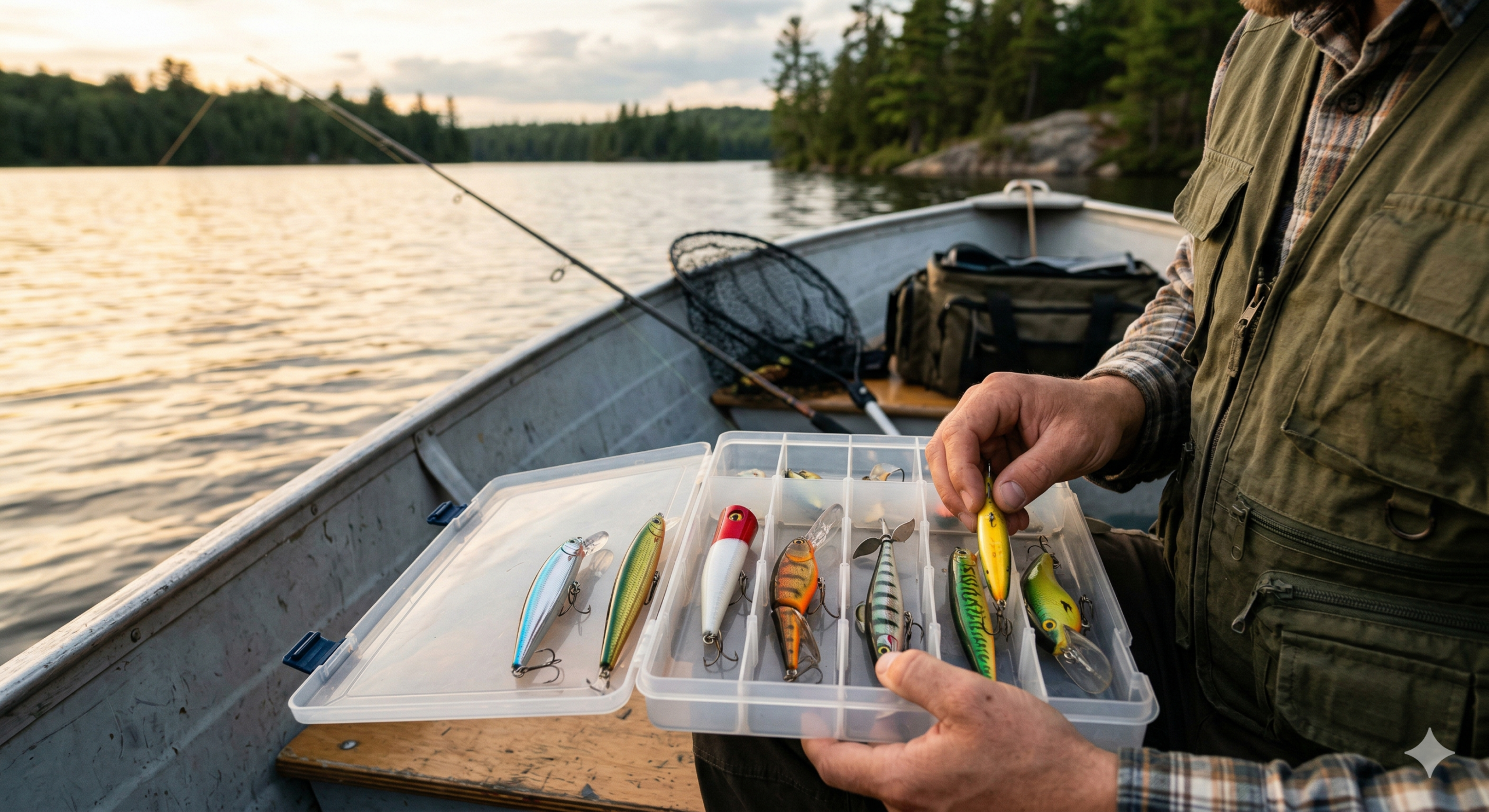
What they are: Minnow lures are designed to mimic the slender, darting profile of baitfish. They typically feature a slender body and a small lip that gives them a subtle swimming action.
When to use them: Ideal for a natural presentation, minnows are excellent for targeting predatory fish like bass, walleye, and trout in clear waters. They can be retrieved steadily or twitched to imitate a wounded baitfish.
2. Stick baits: Surface Sensation
What they are: Stick baits are elongated, cylindrical lures, often without a diving lip. Their action comes entirely from the angler’s manipulation.
When to use them: These are primarily topwater lures, perfect for provoking explosive strikes from aggressive fish. They require a “walk-the-dog” retrieve (more on that later) to create a side-to-side swimming motion on the surface.
3. Poppers: The Chug and Splash
What they are: Characterized by a concave or cupped face, poppers create a distinct “chug” and splash when retrieved.
When to use them: Poppers are fantastic for attracting fish from a distance, especially in low-light conditions or when fish are feeding aggressively on the surface. The commotion they create can trigger instinctual strikes.
4. Wobblers: The All-Rounder
What they are: This is a broad category, often referring to lures with a prominent lip that creates a strong, erratic side-to-side “wobbling” action as they’re retrieved.
When to use them: Highly versatile, wobblers can be effective in various depths and conditions. They’re great for covering water and are often used for trolling or casting in open water.
5. Propellor Lures: The Buzz and Flash
What they are: These lures feature one or more small propellers, typically at the front and/or rear, that spin and create commotion in the water.
When to use them: Propellor lures are excellent for attracting attention, particularly on the surface or just below. The churning water and flash can be irresistible to bass and other aggressive predators.
6. Trolling Lures: Covering Ground
What they are: While not a specific lure type in itself, “trolling” refers to the method of dragging lures behind a moving boat. Many hard lures, including wobblers, crankbaits, and even some stick baits, are designed for effective trolling.
When to use them: Trolling is perfect for covering large areas of water, especially in big lakes or saltwater, to find active fish at various depths.
7. Jerk baits: The Erratic Twitch
What they are: Similar to minnows but often designed for more aggressive retrieve styles, jerk baits are meant to be twitched, paused, and “jerked” to create an erratic, dying baitfish action.
When to use them: Jerk baits are phenomenal for cold water fishing or when fish are finicky. The stop-and-go action can trigger strikes from hesitant predators.
8. Walk the Dog Lures: The Art of the Glide
What they are: This isn’t a lure type but a specific retrieve technique. While many stickbaits are “walk-the-dog” lures, the term describes the side-to-side gliding action achieved by rhythmically twitching the rod tip while reeling in slack.
When to use them: When fish are focused on surface activity, mastering the walk-the-dog retrieve with a topwater stick bait can be incredibly effective and visually exciting.
9. Crankbaits: The Diving Dynamo
What they are: Characterized by a prominent, often large diving lip, crankbaits are designed to dive to specific depths when retrieved. They come in various shapes and sizes, from shallow-diving square bills to deep-diving models.
When to use them: Crankbaits are workhorses for covering various depths. Choose a crankbait that reaches the desired depth where fish are holding. Their strong vibration and erratic action are excellent for triggering reaction strikes.